New Year 2026 Rule Changes India : As the final pages of 2025 turn, India is preparing to step into 2026 with hope, celebrations, and—most importantly—major rule changes that will directly affect your money, identity, and access to government benefits.
For many, New Year’s Day is about resolutions and fresh beginnings. But from January 1, 2026, several financial, administrative, and welfare-related rules are expected to come into force. These changes won’t just stay on paper—they will influence salary growth, credit scores, LPG prices, ration benefits, and even whether your PAN card remains valid.
This detailed guide explains what changes, who it impacts, and what you must do before it’s too late—in simple, human terms.
New Year 2026 Rule Changes: Salary, PAN, Gas & Credit Score
Why January 1, 2026 Matters More Than You Think
Unlike routine policy updates, the start of 2026 marks a system-level reset across departments. From salaried employees and pensioners to farmers, students, homemakers, and small business owners—almost every Indian household will feel the impact.
The biggest reason?
➡️ The end of the 7th Pay Commission’s tenure
➡️ Tighter compliance rules for identity, credit, and welfare delivery
➡️ Monthly price resets affecting essential commodities
Let’s break these changes down—one by one.
1. 8th Pay Commission: A New Salary Era Begins
For central government employees and pensioners, December 31, 2025, is not just another date—it marks the end of the 7th Pay Commission cycle.
From January 1, 2026, the 8th Pay Commission is expected to be implemented.
What does this mean in real life?
- The effective date of the new pay structure will be January 1, 2026
- Salary hikes and pension revisions may take time to reflect
- Arrears are likely to be paid later, once recommendations are approved
Even though the final salary increase figures may arrive after months of review, the clock starts ticking from Day One of 2026. This matters hugely for retirement calculations, DA revisions, and future increments.
For millions of families dependent on government income, this change brings financial optimism and stability.
2. Faster Credit Score Updates: Loans Will Get Easier (or Harder)
Your credit score plays a silent but powerful role in your life—from home loans and car loans to credit cards and even mobile EMIs.
As per new instructions issued by the Reserve Bank of India, banks and NBFCs must now:
- Update customer credit data every 14 days
- Report repayments, defaults, and closures more frequently
Why this is a game changer
Earlier, credit updates could take months. From 2026:
- If you repay EMIs on time → Your score improves faster
- If you miss payments → Your score falls quicker too
This change brings greater transparency, but also demands financial discipline. For responsible borrowers, it’s a blessing. For careless spenders, it’s a warning bell.
3. LPG Gas Cylinder Prices: Monthly Budget May Shift Again
Every Indian kitchen knows this reality—gas prices change lives quietly.
From January 1, 2026:
- Domestic LPG cylinder prices may be revised
- Commercial gas cylinder rates could change
- Aviation fuel prices may also fluctuate, impacting air tickets
Since fuel prices influence transport and logistics, a change here can indirectly affect:
- Food prices
- Travel expenses
- Small business operating costs
While prices are reviewed monthly, New Year revisions often set the tone for the months ahead.
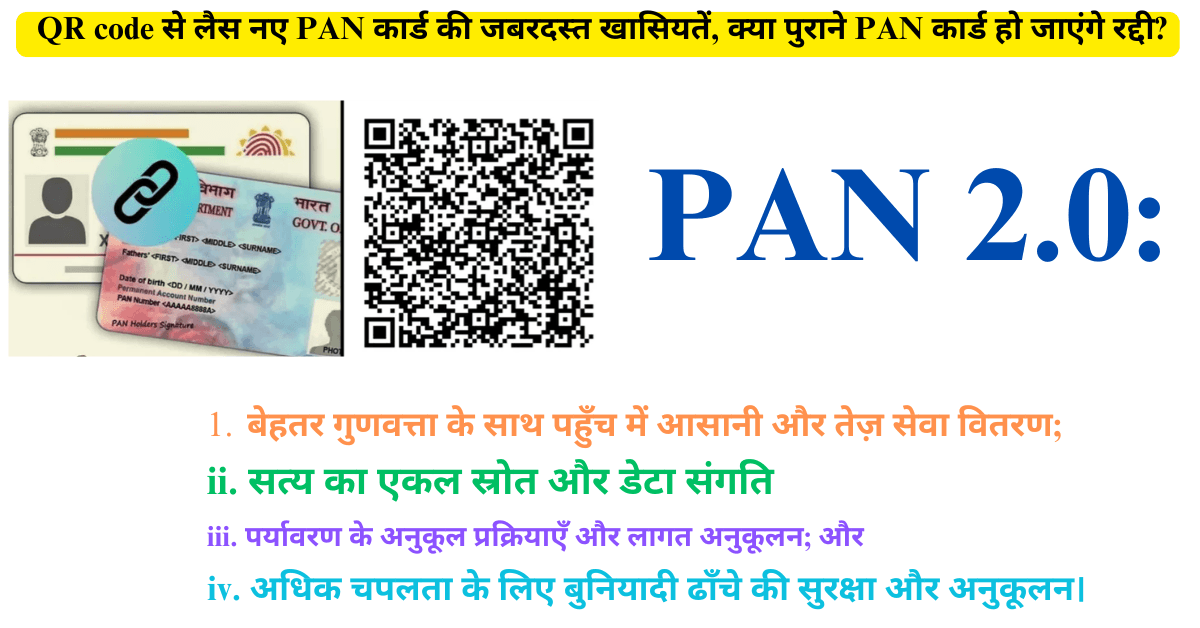
4. PAN–Aadhaar Linking: Ignore It, and Your PAN May Stop Working
If there’s one task you should not postpone, this is it.
From January 1, 2026, PAN cards that are not linked with Aadhaar may become inoperative.
What problems can this cause?
- Bank transactions may fail
- Income tax returns cannot be filed
- Investments and refunds get stuck
- Government services may be denied
The linking process is managed under guidelines issued by Unique Identification Authority of India and the Income Tax Department.
In simple words:
👉 No PAN–Aadhaar link = No smooth financial life
5. Ration Card e-KYC: Food Security Depends on It
For millions of Indians, ration cards are not optional—they are lifelines.
Under the National Food Security framework:
- Ration card e-KYC must be completed by December 31, 2025
- Failure may result in stoppage of free or subsidized rations from January 1, 2026
Why the government is strict about this
- To remove fake or duplicate beneficiaries
- To ensure benefits reach genuine families
- To strengthen digital governance
For low-income households, senior citizens, and migrant families, missing this deadline could mean empty ration shops.
6. Farmer ID: Essential for Schemes, Subsidies & Payments
India’s farmers are slowly moving into a digital benefit ecosystem.
In states like Uttar Pradesh and others:
- Farmer ID creation is underway
- This ID will be mandatory to access:
- PM-Kisan benefits
- Crop insurance schemes
- Subsidies and direct transfers
Without this ID:
- Funds may not reach bank accounts
- Farmers could be excluded from future schemes
As agriculture becomes more data-driven, Farmer ID will soon be as important as Aadhaar for rural India.
How These Changes Affect Different Groups
👨💼 Salaried Employees
- Salary revision expectations
- Better loan access with improved credit reporting
👵 Pensioners
- Pension recalculation from Jan 1, 2026
- Arrears likely later
🏠 Homemakers
- LPG price impact on monthly budgets
- Ration e-KYC importance
🚜 Farmers
- Farmer ID critical for income support
- Digital inclusion in welfare schemes
🧑🎓 Youth & First-Time Borrowers
- Faster credit score changes = faster approvals or rejections
What You Should Do Before December 31, 2025
✔ Link PAN with Aadhaar
✔ Complete ration card e-KYC
✔ Check your credit report
✔ Stay updated on salary commission news
✔ Help elderly family members complete digital formalities
✔ Farmers should register for Farmer ID immediately
A New Year Is More Than a Celebration
2026 isn’t just about fireworks and resolutions—it’s about being prepared.
Those who adapt early will:
- Save money
- Avoid penalties
- Receive benefits smoothly
Those who ignore deadlines may face:
- Financial blocks
- Service disruptions
- Missed opportunities
As India steps into a more digitally governed future, awareness is the strongest form of empowerment.
#NewYear2026, #RuleChanges2026, #8thPayCommission, #PAN_Aadhaar, #CreditScoreUpdate, #LPGPriceChange, #RationCardEKYC, #FarmerID, #IndiaNews, #PersonalFinanceIndia
✨ Final Thought
A new year doesn’t change life automatically—prepared decisions do.
Make sure January 1, 2026, begins not with confusion or panic, but with clarity, compliance, and confidence.
❓FAQs
1. What rule changes will come into effect from January 1, 2026?
Several financial and welfare-related rules may change from January 1, 2026, including the 8th Pay Commission implementation date, LPG price revisions, PAN-Aadhaar compliance, ration card e-KYC, and credit score reporting norms.
2. Will salary increase from January 2026?
Yes, the 8th Pay Commission is expected to be implemented from January 1, 2026. While arrears may come later, the effective date will apply from the start of the year.
3. How will credit score rules change in 2026?
Banks and NBFCs must update credit information every 14 days, following guidelines issued by Reserve Bank of India, ensuring faster reflection of repayments or defaults.
4. What happens if PAN is not linked with Aadhaar?
Unlinked PAN cards may become inoperative, affecting banking transactions, tax filings, and government services from January 1.
5. Is ration card e-KYC mandatory in 2026?
Yes, failure to complete ration card e-KYC by December 31 may result in suspension of food grain benefits from January 1, 2026.
Also Read This :
Latest Salary & Pay Commission UpdatesPAN-Aadhaar Linking Rules Explained
Today’s LPG Gas Cylinder Prices
External Sources
Reserve Bank of India GuidelinesUIDAI PAN-Aadhaar Linking Portal
National Food Security Act (NFSA)