Website: https://networkbharat.com
Writer: Krishna Arya
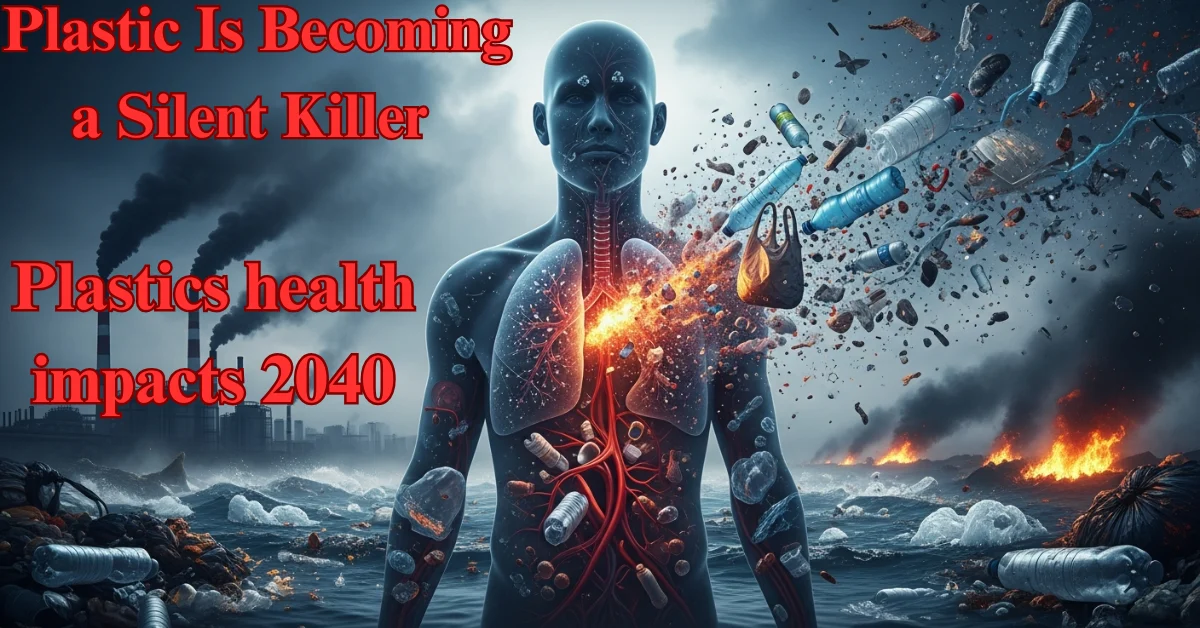
Plastic Is Becoming a Silent Killer : Plastics health impacts 2040.Plastic is everywhere — in our homes, food packaging, clothes, air, water, and even inside the human body. For decades, it was seen as a symbol of convenience and progress. Today, scientists are warning that this same material is quietly turning into one of the biggest threats to global public health.
A growing body of research now suggests that if current trends continue, the health damage caused by plastic pollution could more than double worldwide by 2040, creating a slow-burn crisis that affects millions of lives across rich and poor nations alike.
Plastic’s Hidden Journey From Factory to Human Body
Plastic doesn’t become dangerous only when it turns into visible waste. The real threat begins much earlier — during its production, use, and disposal.
From oil extraction and chemical processing to burning and breakdown into microplastics, plastic releases toxic substances at every stage of its lifecycle. These pollutants enter the air we breathe, the water we drink, and the food chain we depend on.
Researchers publishing in The Lancet Planetary Health warn that this continuous exposure is already contributing to respiratory diseases, cardiovascular problems, cancers, hormonal disorders, and developmental issues in children.
Why Health Damage Could Surge by 2040
Global plastic production is expected to nearly triple by 2060, with a sharp rise well before 2040. Without strict regulation, this growth will dramatically increase human exposure to plastic-related pollution.
Experts highlight three major drivers behind the projected health surge:
1. Toxic Air Pollution
Plastic manufacturing and incineration release fine particles and hazardous gases. Long-term exposure increases the risk of asthma, lung disease, strokes, and premature deaths.
2. Chemical Exposure
Plastics contain thousands of chemicals, many of which disrupt hormones and damage organs. These chemicals can leach into food and water, affecting unborn babies, children, and adults alike.
3. Climate and Health Link
Plastic production is heavily dependent on fossil fuels. Rising greenhouse gas emissions worsen climate change, which indirectly fuels heat stress, malnutrition, and infectious diseases — amplifying the health burden.
Microplastics: The Invisible Invaders
Perhaps the most alarming discovery in recent years is microplastics — tiny plastic particles now found in human blood, lungs, placenta, and even brain tissue.
Scientists are still uncovering their long-term effects, but early evidence suggests links to inflammation, immune system disruption, and cellular damage. The concern is not just what microplastics do today, but how they accumulate silently over a lifetime.
A Crisis That Hits the Poor the Hardest
While plastic pollution is a global problem, its health impacts are deeply unequal.
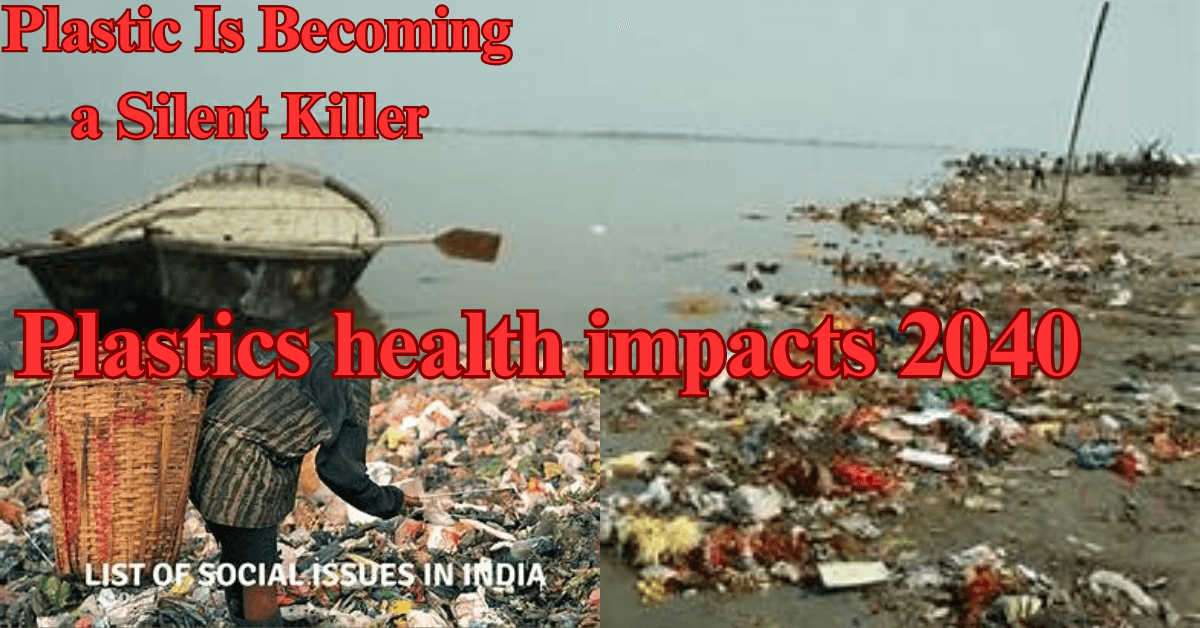
Low- and middle-income countries often host plastic production units, dumping grounds, and informal recycling operations. Communities living near these sites face constant exposure to toxic fumes, contaminated water, and unsafe working conditions.
Children and pregnant women are among the most vulnerable — making plastic pollution not just an environmental issue, but a social justice and public health emergency.
Can the Damage Still Be Prevented?
Health experts say the future is not yet sealed — but action must be urgent and decisive.
Key solutions include:
- Reducing plastic production at the source
- Banning hazardous chemicals in plastics
- Investing in safer alternatives and reuse systems
- Strengthening global plastic treaty negotiations
- Holding producers accountable for health costs
Without these measures, plastic’s health toll could overwhelm healthcare systems already under pressure.
#PlasticHealthCrisis, #Plastics2040, #Microplastics, #EnvironmentalHealth, #PlasticPollution, #ScienceNews, #PublicHealth, #LancetResearch, #ClimateHealth, #ToxicChemicals
The Bottom Line
Plastic is no longer just clogging oceans and landfills — it is entering our bodies and quietly damaging human health. If current policies remain unchanged, the world could face a dramatic surge in plastic-related diseases by 2040.
The warning signs are clear. The science is growing stronger. What remains uncertain is whether global leaders will act before this silent killer claims an even heavier toll.