By Krishna Arya | NetworkBharat.com
Bangladesh 2026 Election
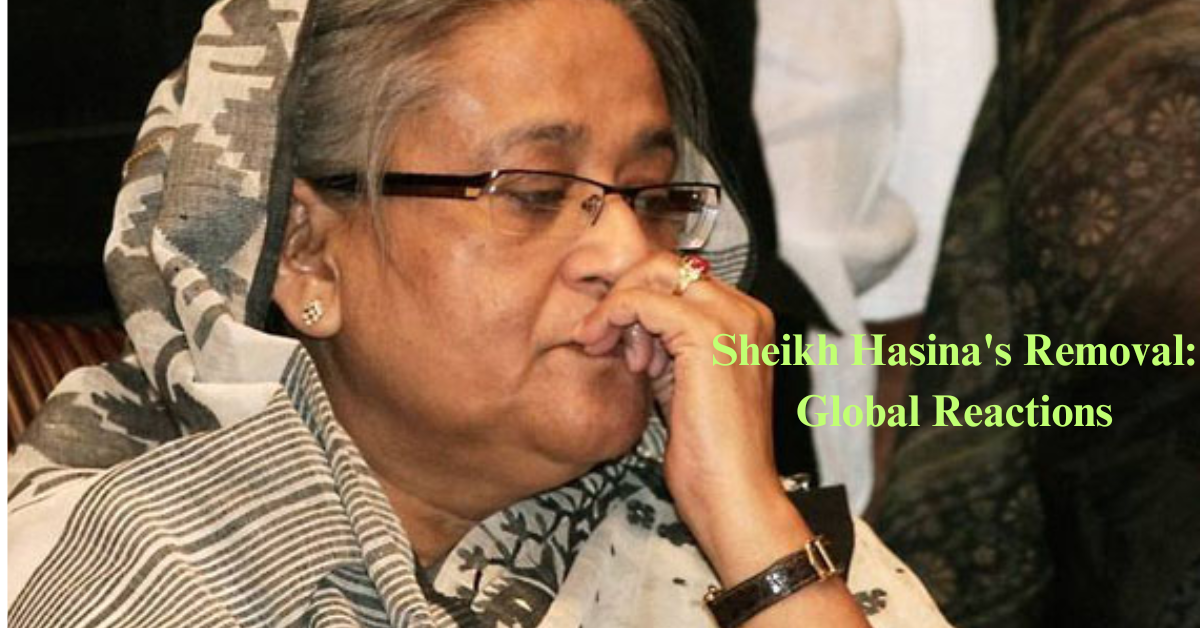
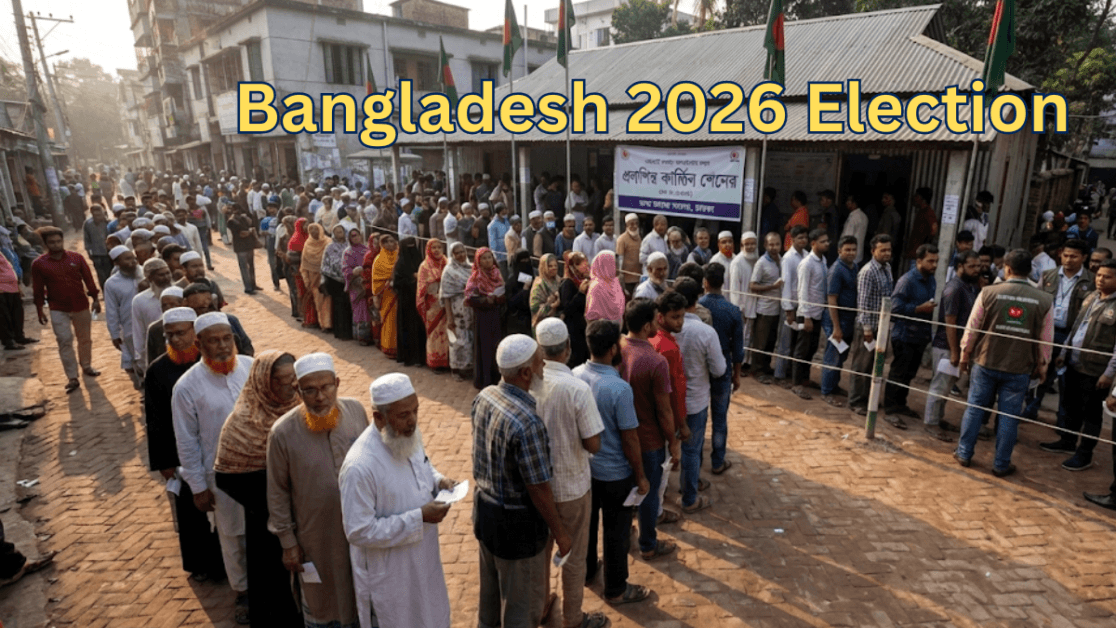
Bangladesh Election 2026 : Bangladesh stands at a defining political crossroads today as millions of citizens head to polling stations in what is being described as the most consequential election in the country’s recent history. This is the first national vote since the dramatic ouster of former Prime Minister Sheikh Hasina in mid-2024, following months of protests and political unrest that shook the nation.
With 127 million registered voters, 1,981 candidates, and polling across 42,779 centers in 299 constituencies, the outcome of this election is expected to reshape not just Bangladesh’s internal politics but also the strategic balance of South Asia.
A New Political Chapter After Sheikh Hasina
Sheikh Hasina dominated Bangladesh’s political landscape for over a decade. Her government maintained close ties with India and played a significant role in regional stability. However, after her removal amid widespread unrest in July–August 2024, Bangladesh entered a transitional phase under an interim administration led by Muhammad Yunus.
The interim government attempted to ease tensions domestically and diplomatically. Now, this election marks the formal return to a fully elected government.
BNP vs Jamaat-e-Islami: A Tight Contest
The election battlefield is primarily dominated by two major political forces:
- Bangladesh Nationalist Party (BNP), led by Tarique Rahman
- Bangladesh Jamaat-e-Islami (BJI), led by Shafiqur Rahman
The BNP is contesting as the head of a 10-party alliance and is widely expected to secure an early advantage. However, opinion surveys suggest that Jamaat-e-Islami’s 11-party bloc could challenge that lead, making this one of the closest electoral battles in recent memory.
BNP leaders have publicly emphasized the need for stable relations with neighboring countries while focusing on economic recovery. Meanwhile, Jamaat-e-Islami has signaled its willingness to pursue a “strong, respectful, and mutually beneficial” relationship with India if it comes to power.
India Watching the Results Closely
India is closely monitoring developments in Dhaka. Over the years, India-Bangladesh relations significantly improved under Sheikh Hasina’s tenure, particularly in areas like border management, counter-terror cooperation, connectivity, and trade.
New Delhi has made it clear, through its Ministry of External Affairs, that it will work constructively with whichever government the Bangladeshi people elect. The focus remains on:
- Border security
- Stability in India’s Northeast
- Counter-terror cooperation
- Trade and infrastructure connectivity
- Regional strategic balance
Any change in leadership could influence the trajectory of these critical areas.
The Referendum Factor: Beyond Just Elections
This vote is not limited to parliamentary seats. Citizens are also participating in a national referendum aimed at implementing 84 recommendations under the “July Charter.” These reforms are expected to redefine governance structures and address public demands raised during the 2024 protests.
This dual voting process makes today’s event not just an election—but a potential restructuring of Bangladesh’s democratic framework.
Key Election Facts
- Total Voters: 127 million
- Total Candidates: 1,981
- Constituencies: 299
- Polling Centers: 42,779
- Polling Time: 7:30 AM – 4:30 PM
- Major Alliances: BNP-led 10-party bloc, Jamaat-led 11-party bloc
- Additional Vote: National referendum on July Charter reforms
What’s at Stake for South Asia?
The result will determine:
- The direction of Bangladesh’s foreign policy
- The future of India-Bangladesh relations
- Regional stability in South Asia
- Economic reform and domestic governance
- Diplomatic engagement with global powers
Political observers believe that regardless of who wins, public expectations are high. Economic stability, employment generation, and institutional reforms are central demands from the electorate.
A Nation Decides
As voting progresses across Bangladesh, the mood remains tense yet hopeful. Citizens are not just choosing representatives—they are shaping the country’s next political era after one of its most turbulent phases.
For India and the wider region, the outcome will send important signals about the future alignment of one of South Asia’s most strategically significant nations.
The coming days will reveal whether Bangladesh moves toward continuity, change, or an entirely new political equation.
#BangladeshElection2026, #PostHasina, #BNPvsJamaat, #BangladeshVotes, #SheikhHasina, #IndiaBangladesh, #SouthAsiaPolitics, #Geopolitics, #DhakaNews, #ElectionUpdate, #AsiaBreaking, #RegionalStability, #PoliticalShift, #GlobalWatch
Stay tuned for real-time updates and expert analysis only on NetworkBharat.com.