Wake Up Your Body
Website: https://networkbharat.com
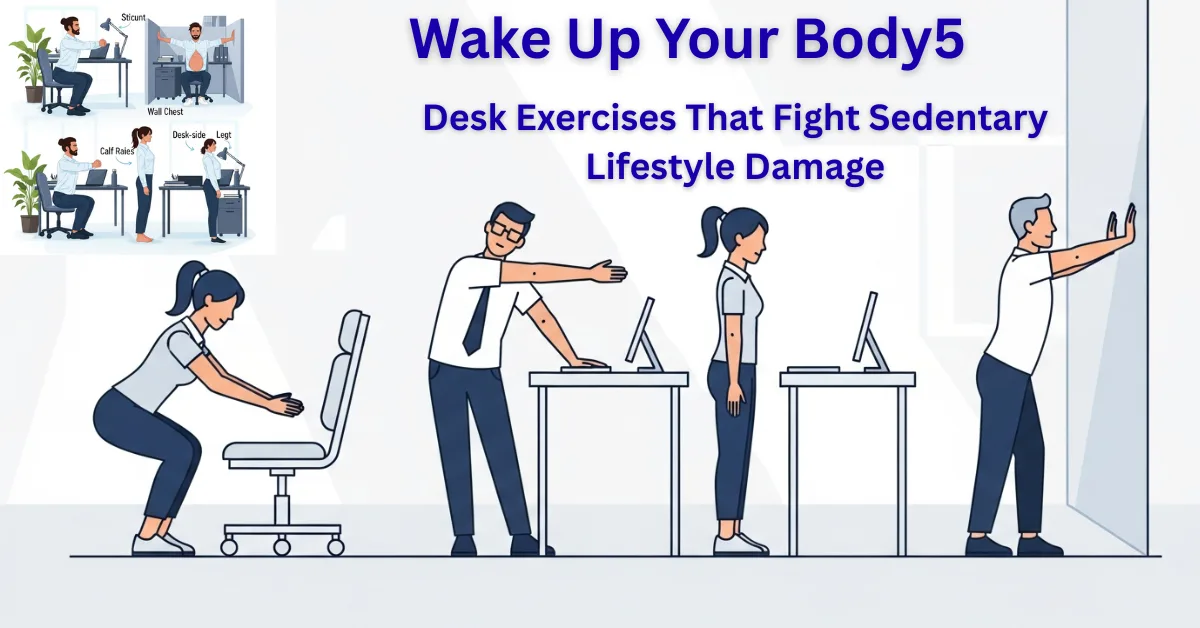
Wake Up Your Body: 5 Desk Exercises That Fight Sedentary Lifestyle Damage
In today’s fast-moving digital world, many of us barely notice how still our bodies have become. From morning emails to late-night scrolling, hours pass while we sit in the same position. The mind stays busy, but the body slowly shuts down.
If you often feel stiff, tired, or low on energy even without doing much physical work, your body may be reacting to something deeper — sedentary lifestyle damage.
The truth is, the human body is not designed to sit for eight to ten hours a day. Over time, prolonged sitting affects muscles, joints, posture, blood circulation, and even mental clarity. The good news is that reversing this damage doesn’t require intense workouts or expensive equipment.
Sometimes, a few conscious movements done regularly at your desk are enough to wake the body back up.
5 simple yet powerful desk exercises that help counter the harmful effects of sitting and bring life back into a sedentary body.
Understanding Sedentary Lifestyle Damage
A sedentary lifestyle doesn’t cause sudden pain or injury. It works quietly. Muscles stop engaging fully. Joints lose their natural range of motion. Blood circulation slows. Over weeks and months, this leads to:
- Tight hips and lower back pain
- Weak legs and glutes
- Rounded shoulders and neck stiffness
- Low energy and poor focus
- A constant feeling of heaviness
What makes it dangerous is how normal it starts to feel. Many people assume stiffness and fatigue are just part of modern life — but they don’t have to be.
Sedentary Life Hurting Your Body? These 5 Desk Moves Help
Why Desk Exercises Work
Desk exercises are effective because they interrupt long periods of inactivity. Even small movements send a signal to the nervous system that the body needs to stay alert and active.
These exercises:
- Improve circulation
- Activate sleeping muscles
- Reduce joint stiffness
- Improve posture
- Boost energy levels
They don’t aim to exhaust you. Their purpose is to restore movement where it has been missing.
1. Walking Phone Calls: Movement Without Extra Time
One of the easiest ways to fight sedentary damage is to stop sitting during phone calls.
Instead of staying seated:
- Stand up
- Walk slowly around the room
- Pace while talking
This gentle movement activates leg muscles, improves blood flow, and reduces spinal pressure caused by prolonged sitting.
Over the course of a day, these short walking breaks can significantly reduce stiffness and mental fatigue — without requiring any extra time.
2. Chair-to-Stand Squats
Sitting weakens the very muscles that support your body weight. Chair-to-stand squats help re-engage those muscles naturally.
How to do it
- Stand in front of your chair
- Lower yourself slowly until you lightly touch the seat
- Stand back up without fully sitting
Repeat 8–12 times.
Why it helps
- Strengthens thighs and hips
- Activates glutes
- Improves balance and joint stability
This movement mimics daily activities and reminds the body how to move efficiently again.
3. Desk-Side Hip and Leg Stretch
Long hours of sitting tighten the hips, which often leads to lower-back discomfort.
How to do it
- Place one foot on a desk or sturdy surface
- Keep your back straight
- Gently lean forward until you feel a stretch
Hold for 20–30 seconds, then switch sides.
This stretch releases hip tension, improves flexibility, and reduces pressure on the spine. It’s especially helpful for those who feel stiff when standing up after sitting for long periods.
4. Standing Calf Raises
Calf muscles play a key role in blood circulation, especially in the lower body. When inactive, circulation slows, leading to fatigue and stiffness.
How to do it
- Hold a desk or chair for balance
- Rise onto your toes
- Slowly lower back down
Repeat 12–15 times.
This simple exercise improves circulation, strengthens the calves, and reduces the feeling of heavy or tired legs after long sitting hours.
5. Wall Chest Opener
Prolonged desk work often pulls the shoulders forward and collapses the chest, affecting posture and breathing.
How to do it
- Stand beside a wall
- Place your palm on the wall behind you
- Gently rotate your torso away
Hold for 20–30 seconds on each side.
This movement opens the chest, relieves shoulder tension, and helps restore upright posture. Many people feel immediate relief after doing it.
How to Make These Exercises a Habit
You don’t need to do all five exercises in one session. The key is spreading movement throughout the day.
A simple approach:
- Morning: Wall chest opener
- During work calls: Walk instead of sit
- Midday: Chair-to-stand squats
- Afternoon: Calf raises
- Evening: Hip stretch
Even 10–15 minutes of total movement can dramatically improve how your body feels by the end of the day.
Small Movements, Long-Term Benefits
People often underestimate the power of small, consistent actions. But the body responds quickly when movement returns.
Over time, these desk exercises can:
- Reduce stiffness and pain
- Improve posture naturally
- Increase energy and focus
- Protect joint health
- Slow down age-related mobility loss
Fitness isn’t always about pushing limits. Sometimes, it’s about giving the body what it quietly needs every day.
Final Thoughts
A sedentary lifestyle doesn’t damage the body overnight — and it doesn’t heal overnight either. But every stretch, every step, and every movement counts.
These five desk exercises are not about transforming your body in a week. They are about waking it up daily, keeping it active, and protecting it from the silent damage of sitting too much.
In a world that demands long hours at a desk, choosing to move — even a little — is one of the most powerful health decisions you can make.
✅ FAQ
1. What is a sedentary lifestyle and why is it harmful?
A sedentary lifestyle involves long periods of sitting or inactivity, usually due to desk jobs, screen time, or work-from-home routines. Over time, it can lead to muscle weakness, poor posture, reduced blood circulation, stiffness, fatigue, and long-term health issues.
2. Can desk exercises really reduce sedentary lifestyle damage?
Yes. Desk exercises help activate muscles that remain inactive during long sitting hours. Even short movements improve circulation, reduce stiffness, support posture, and lower the physical strain caused by prolonged sitting.
3. How often should desk exercises be done in a day?
Ideally, desk exercises should be done every 1–2 hours. Even 2–3 minutes of movement at regular intervals can significantly reduce stiffness and improve overall energy levels.
4. Are desk exercises suitable for all age groups?
Yes. Desk exercises are gentle, low-impact movements suitable for most age groups. However, people with medical conditions or injuries should consult a healthcare professional before starting any exercise routine.
5. How long does it take to see results from desk exercises?
Many people feel relief from stiffness and fatigue within a few days. Noticeable improvements in posture, flexibility, and energy usually appear within 2–3 weeks of consistent practice.
6. Can desk exercises replace regular workouts?
Desk exercises are not a full replacement for structured workouts, but they are an excellent supplement. They help reduce the damage caused by sitting and keep the body active between workouts.
7. What are the best desk exercises for office workers?
Some of the most effective desk exercises include chair squats, walking breaks, hip stretches, calf raises, and chest-opening stretches — all of which help counteract sitting-related stiffness.
#SedentaryLifestyle, #DeskExercises, #OfficeFitness, #WakeUpYourBody, #DailyMovement, #WorkFromHomeHealth, #PostureCorrection, #SimpleFitness, #HealthyHabits, #MicroWorkouts
Also Read This
15-Minute Core Workout at Home for Busy PeopleWork From Home Health Tips to Avoid Body Pain
Posture Correction Exercises for Desk Workers
External Sources
World Health Organization: Physical Activity GuidelinesHarvard Health: The Dangers of Sitting Too Much
CDC: Benefits of Regular Physical Activity