By Krishna Arya | Network Bharat
Women Reservation Bill 2026 Lok Sabha Expansion 816 Seats
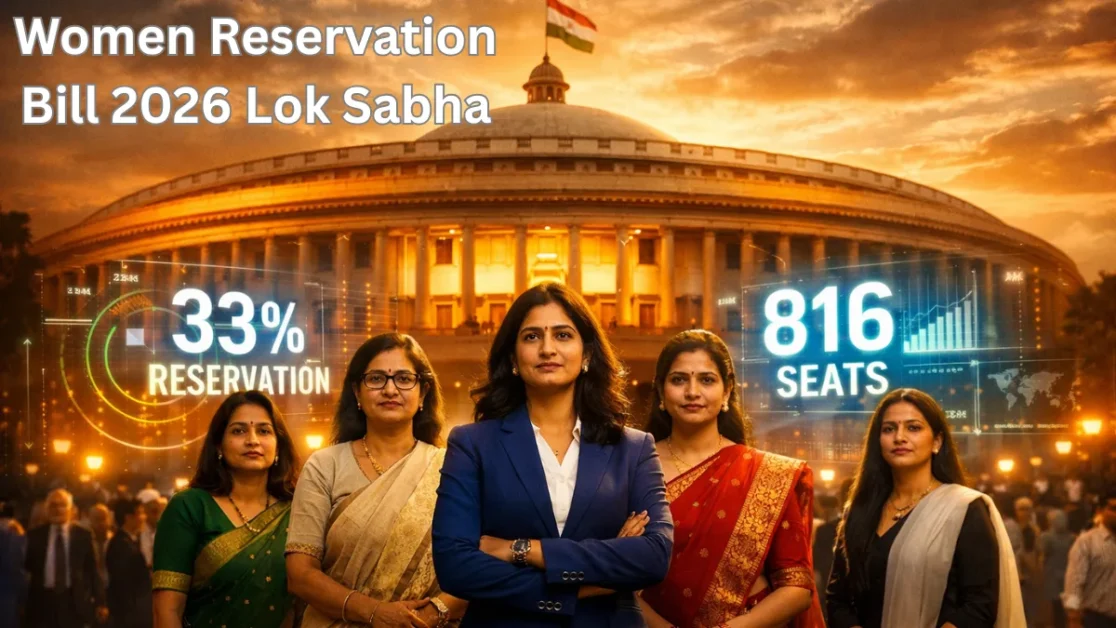
Women Reservation Bill 2026 Lok Sabha Expansion 816 Seats : India could be on the verge of a historic political transformation. The Central Government is reportedly preparing a major reform that not only ensures 33% reservation for women in the Lok Sabha but also proposes a significant expansion of the House’s strength—from 543 seats to 816.
If implemented, this move could reshape the future of Indian democracy and redefine political representation for decades to come.
🔍 What Is the Big Proposal?
The government is working on a plan to:
- Increase Lok Sabha seats from 543 to 816
- Ensure one-third (33%) reservation for women
- Add approximately 273 new seats, many of which could be allocated to women candidates
This step is seen as part of the broader implementation of the Women Reservation framework, which aims to improve gender representation in Indian politics.
📊 Why Increase Lok Sabha Seats?
The proposed expansion is not just about reservation—it’s also about representation.
India’s population has grown significantly over the years, but the number of Lok Sabha seats has remained unchanged since 1977. This has led to:
- Unequal representation across states
- Overburdened constituencies
- Growing demand for fresh delimitation
By increasing seats to 816, the government aims to:
- Balance representation across regions
- Reflect current population realities
- Create space for women’s participation without reducing existing seats
👩⚖️ What 33% Reservation Means for Women
If the bill is implemented effectively:
- Around 272–273 seats could be reserved for women
- More women leaders will enter mainstream politics
- Policy-making could become more inclusive and diverse
This could mark a turning point in empowering women politically, beyond symbolic participation.
🗳️ When Will This Be Implemented?
While the proposal is gaining attention, implementation may take time.
Key factors include:
- Delimitation exercise based on Census data
- Legal and constitutional processes
- Political consensus among parties
Experts believe the changes could realistically come into effect by the 2029 General Elections.
⚖️ Challenges Ahead
Despite its potential, the proposal faces several hurdles:
- Political disagreements over seat distribution
- Concerns from states about representation balance
- Logistical complexity of increasing parliamentary seats
However, the broader sentiment remains positive, especially regarding women’s participation in governance.
🌟 Why This Reform Matters
This is not just a policy change—it’s a structural shift.
If implemented:
- India could see one of the largest democratic expansions in the world
- Women’s voices will gain stronger representation in national decisions
- The political landscape could become more inclusive and progressive
📢 Final Thoughts
The proposed Women Reservation Bill 2026 combined with Lok Sabha expansion is being seen as a bold and transformative step. While challenges remain, the vision is clear—a more representative, inclusive, and balanced democracy.
As India prepares for future elections, this reform could become a defining milestone in the country’s political journey.
#womenreservationbill #lokSabhaExpansion #IndianPolitics #BreakingNewsIndia #NariShakti #WomenEmpowerment #ParliamentNews #India2026 #Election2029 #PoliticalReforms #TrendingIndia #GovernmentUpdate #DelhiNews #TopStories
Stay tuned with Network Bharat for the latest updates on this major political reform and what it means for India’s future.