✍️ By Krishna Arya | Network Bharat
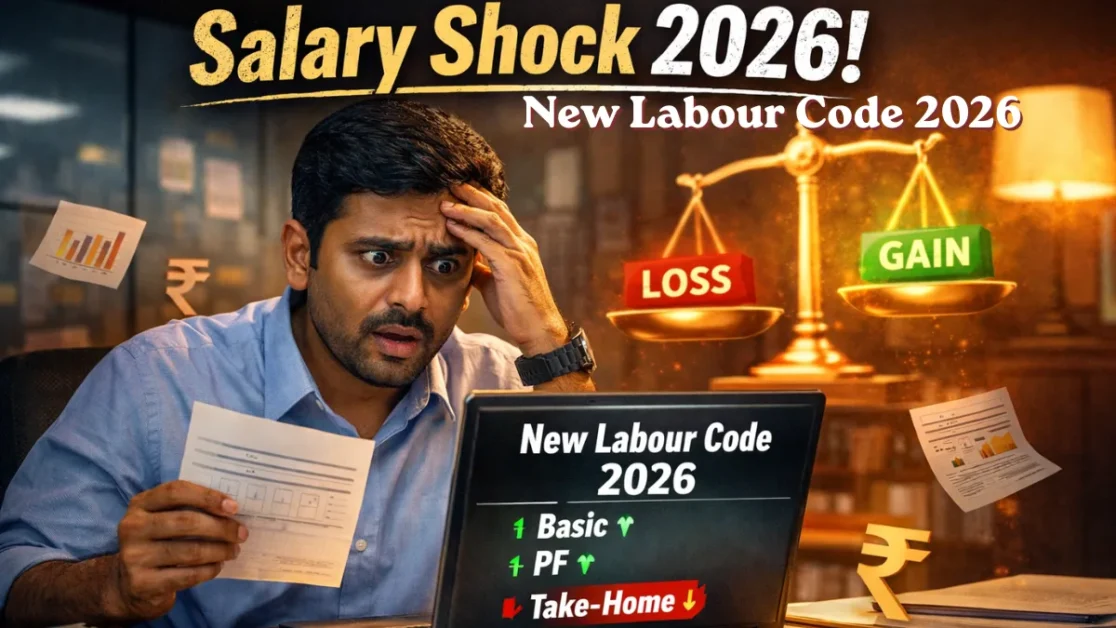
New Labour Code 2026
🔥 A Salary Revolution Is Coming
India is on the verge of one of the biggest salary reforms in decades. The new labour codes, expected to be fully implemented in 2026, are set to completely change how your salary is structured, how much you take home, and how much you save for the future.
But here’s the real question:
👉 Will you earn more — or take home less?
Let’s break it down in the simplest way possible.
💡 What Is the New Labour Code?
The new labour laws consolidate 29 existing laws into 4 simplified codes:
- Wages Code
- Social Security Code
- Industrial Relations Code
- Occupational Safety Code
The biggest change comes from the new definition of “wages”, which directly affects your salary structure.
💰 The 50% Rule: The Game Changer
Under the new rule:
👉 Basic salary must be at least 50% of your total CTC
What does this mean?
- Your basic salary increases
- PF (Provident Fund) contribution increases
- Gratuity amount increases
- But… take-home salary may decrease
📉 Why Your Take-Home Salary May Drop
Earlier, companies kept basic salary low and gave more allowances. Now:
- Allowances are capped
- Basic salary increases
- PF deductions increase
👉 Result: More deductions, less cash in hand (short-term)
📈 But Here’s the Hidden Benefit
While your monthly salary might feel smaller, your long-term financial security improves:
- Higher PF savings 🏦
- Bigger gratuity payouts 💼
- Better retirement benefits 👴👵
👉 Think of it as forced savings for your future
🧑💼 Who Gains the Most?
✅ 1. Long-Term Employees
- Benefit from higher gratuity
- Bigger retirement corpus
✅ 2. Employees Planning Stability
- More secure financial future
- Higher social security benefits
✅ 3. Low-Basic Salary Workers
- Salary structure becomes more balanced
- Fairer wage calculation
⚠️ Who Might Lose?
❌ 1. Young Professionals
- Lower take-home salary
- Immediate expenses may feel tighter
❌ 2. High Allowance Earners
- Less flexibility in salary structuring
❌ 3. Job Switchers
- PF-heavy salary may reduce liquidity
New Labour Code impact on salary 2026 India
📊 Example: Before vs After Labour Code
| Component | Before Code | After Code |
|---|---|---|
| Basic Salary | ₹20,000 | ₹50,000 |
| Allowances | ₹50,000 | ₹20,000 |
| PF Deduction | Low | High |
| Take-Home Pay | Higher | Slightly Lower |
👉 Conclusion: Less cash now, more savings later.
🏢 Impact on Companies
Companies will also need to adjust:
- Payroll restructuring
- Higher contribution costs
- Reduced flexibility in salary design
Some companies may:
- Adjust CTC
- Optimize hiring
- Offer performance-based perks instead
🔍 Middle-Class Reality Check
For India’s middle class, this change is a mixed bag:
✔️ More financial discipline
✔️ Better retirement planning
❌ Reduced monthly spending power
👉 This reform quietly shifts focus from spending → saving
🚀 Final Verdict: Win or Loss?
👉 Short-term: You may feel a pinch
👉 Long-term: You gain stability and security
📌 The truth is simple:
This is not a salary cut — it’s a salary restructuring.
🧠 Pro Tip: What You Should Do Now
- Recalculate your monthly budget
- Focus on long-term financial planning
- Don’t panic over reduced take-home salary
- Treat PF as a powerful investment tool
📢 Conclusion
The new labour code is more than just a policy change — it’s a financial mindset shift for millions of Indians.
While it may seem like a loss today, it could turn out to be one of the smartest financial protections for your future.
👉 The real winners?
Those who think long-term.
#NewLabourCode #SalaryUpdate #IndiaJobs #TakeHomeSalary #PFIncrease #Gratuity #SalaryShock #FinanceIndia #MiddleClass #JobNews #EconomicReforms #India2026 #PayrollChanges #BreakingNews #EmployeeBenefits
🔗 Read More on Network Bharat
Stay updated with the latest financial and job-related news at:
👉 https://networkbharat.com
External Links
🔵 NIC Jobs 2026: सरकारी नौकरी का बड़ा मौका
🔵 Oil Refinery Fire: Health Effects You Must Know
🔵 Silent Eye Warning Signs: Serious Disease Alert
🔵 Indian Solar New Year 2026: Date & Significance
🔵 Ministry of Labour & Employment Official Website
🔵 EPFO Official Portal – PF Rules & Updates
🔵 India Code – Labour Laws & Legal Framework
🔵 Income Tax Department India